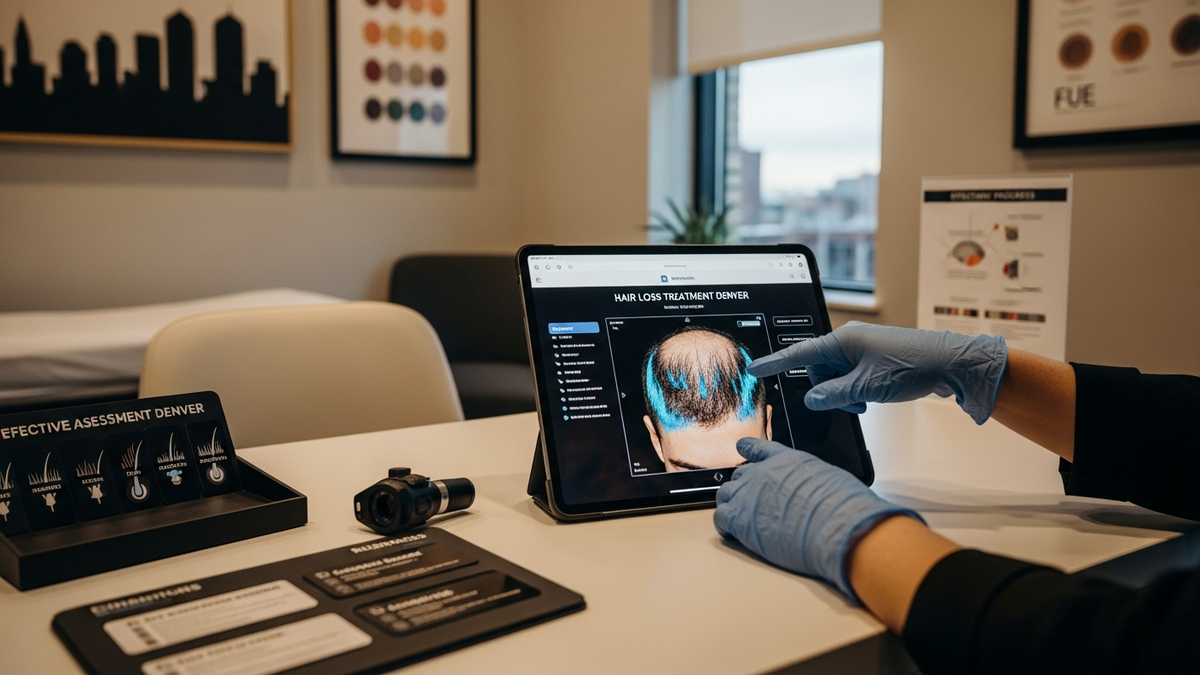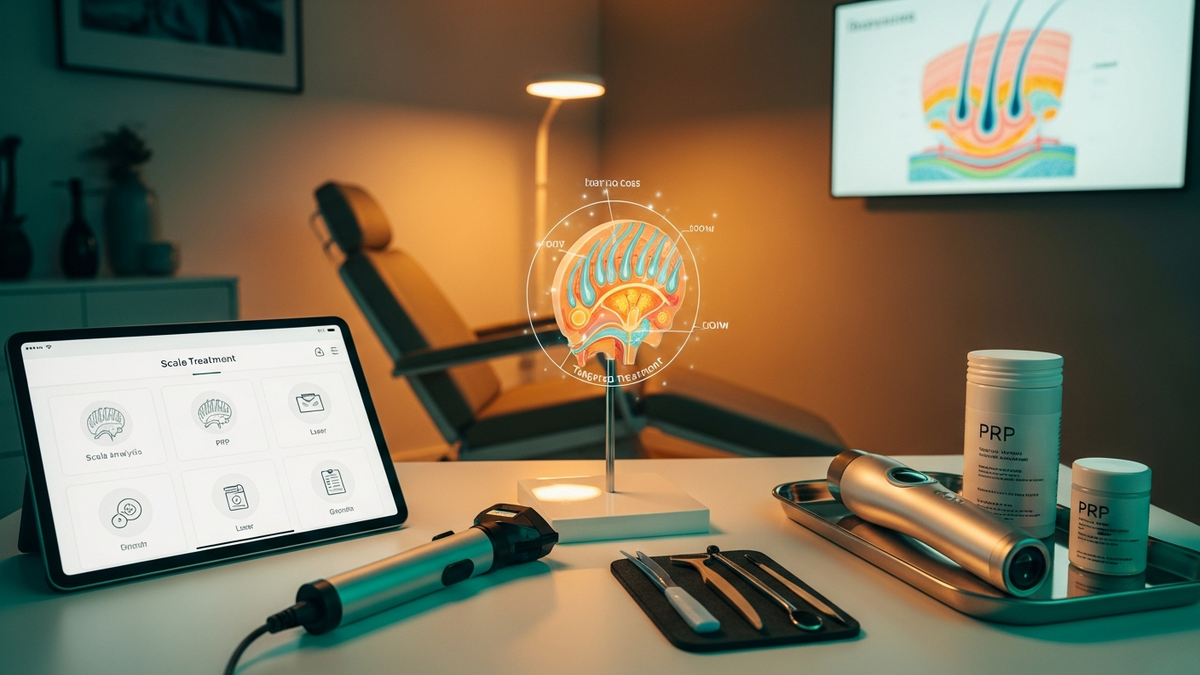
Best treatment for women’s hair loss isn’t a single product—it’s a personalized plan based on the cause, pattern, and severity of shedding or thinning. In this guide, you’ll learn how clinicians evaluate hair loss, which treatments have the strongest evidence, and how to choose a path that can realistically restore density and confidence. FUEsion Hair Clinics brings together medical-grade guidance and practical decision support so you can talk to your dermatologist or hair specialist with clarity.

What “best treatment” really means for women’s hair loss
When people search for the best treatment for women’s hair loss, they often mean one of three outcomes:
- Stop ongoing shedding (for example, chronic telogen effluvium).
- Thicken miniaturized hair (commonly androgenetic alopecia in women).
- Restore lost density in stable areas (often hair transplantation or surgical reconstruction).
Because women can experience hair loss from multiple conditions—hormonal shifts, nutritional deficiencies, autoimmune disease, scalp inflammation, genetics, stress, medications, and more—the “best” approach is the one that matches your diagnosis and your timeline.
Who experiences women’s hair loss, and where does it show up?
Hair loss can affect women at any age, but it becomes more common during life stages that change hormones or immune activity—such as post-partum months, menopause transition, and after major illness. It may present as:
- Diffuse thinning across the scalp (often telogen effluvium or nutritional/hormonal causes).
- Widening part and reduced density at the crown (often female pattern hair loss).
- Patchy hair loss (often alopecia areata).
- Scalp symptoms like itching, scaling, pain, or burning (often inflammatory scalp conditions).
Where it shows up matters because it influences treatment selection. For example, inflammatory scalp disease requires anti-inflammatory management before density restoration can be expected.
How clinicians diagnose women’s hair loss (the step most people skip)
If you want the best treatment, start with the right workup. A thorough evaluation typically includes:
1) History: shedding timeline, triggers, and medication review
Clinicians ask about onset (sudden vs gradual), duration, recent stressors (illness, surgery, weight loss), childbirth, menstrual changes, new medications, and family history of androgenetic alopecia. They also screen for symptoms of thyroid disease, autoimmune conditions, and iron deficiency.
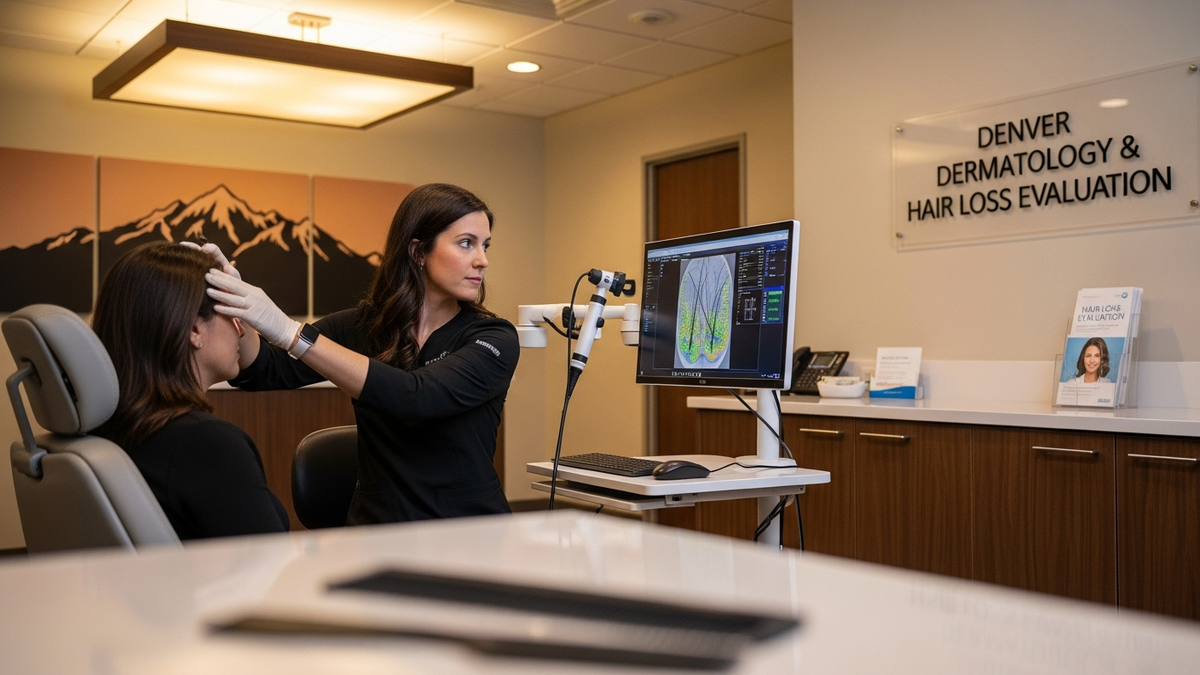
2) Scalp exam and dermoscopy
Dermoscopic assessment can reveal miniaturization (a hallmark of female pattern hair loss), inflammation, and follicle density patterns. Scalp findings can also point to fungal or inflammatory conditions.
3) Lab testing when indicated
Testing is often tailored to your symptoms, but common labs include:
- Ferritin/iron status (iron deficiency can worsen shedding).
- Thyroid function (hypothyroidism or hyperthyroidism can affect hair cycling).
- Hormonal factors when signs suggest androgen excess (for example, irregular periods, acne, hirsutism).
- Vitamin D, B12 and other nutrients depending on your history.
4) Confirming whether hair follicles are still viable
For density restoration (including surgical options), clinicians evaluate whether follicles remain healthy and whether the pattern is stable enough to plan long-term results.
Evidence-based non-surgical treatments (often first-line)
Most women start with medical therapy and scalp care. These treatments aim to improve hair growth cycling, reduce shedding, and/or increase follicle size.
Topical minoxidil (widely used for female pattern hair loss)
Topical minoxidil is a cornerstone treatment for androgenetic alopecia in women. It can help increase hair density and slow progression for many patients. Results typically require 3–6 months of consistent use, with maximal benefit often around 12 months.
What to expect: Early shedding can occur in some people during the adjustment phase. If you experience scalp irritation, clinicians may recommend formulation changes or supportive scalp care.
Oral therapies (when appropriate)
Depending on diagnosis and medical history, clinicians may consider oral options that target hormonal pathways or hair cycle dysregulation. Because these treatments can have contraindications, they should be prescribed after evaluation and monitoring.
Anti-inflammatory treatment for scalp disease
If scalp inflammation is present—such as seborrheic dermatitis, psoriasis-like changes, or other inflammatory scalp conditions—addressing inflammation becomes essential. Treating inflammation can reduce shedding and protect follicles so that growth-focused therapies can work better.
Correcting deficiencies and addressing triggers
When labs or history suggest iron deficiency, thyroid imbalance, or other nutritional issues, targeted correction can significantly improve outcomes. Similarly, identifying and managing triggers (post-partum changes, medication-related shedding, or chronic stress) helps hair cycling normalize.
Platelet-rich therapies (PRP and related approaches)
Many women explore PRP for androgenetic alopecia and chronic shedding. Evidence suggests PRP can improve density for some patients, especially as an adjunct to medical therapy. Response varies by protocol, baseline severity, and diagnosis. A qualified clinician should discuss expected timelines and realistic outcomes.
Practical advice: Ask your provider about the specific protocol (number of sessions, interval, and whether PRP is combined with topical/oral therapy).
Surgical options: when density restoration is the best next step
For women with stable hair loss patterns and insufficient density response to medications, surgical options may offer the most durable way to restore volume. Surgery is generally considered when:
- Non-surgical treatments have not achieved satisfactory density after a reasonable trial.
- The pattern is stable enough for long-term planning.
- There is a clear donor supply of healthy follicles.
Hair transplantation (FUE/FUT) for selected candidates
Hair transplantation moves follicles from a donor area to areas with thinning. According to the American Academy of Dermatology (AAD), hair transplantation can be a long-term option for certain types of hair loss, particularly when hair loss is stable and donor follicles are available (see external citation below).
If you’re evaluating surgical density restoration, ask about graft planning, natural hairline design, and how the clinic handles long-term progression of hair loss.
To explore procedural options, you can review services related to a hair transplant.
Eyebrow transplant when facial hair loss affects overall appearance
Some women also experience eyebrow thinning that can compound the visual impact of hair loss. In select cases, an eyebrow transplant can help restore symmetry and framing. This is not a substitute for scalp hair loss treatment, but it may be part of a broader aesthetic plan.
What about “cosmetic surgery” beyond hair?
Women sometimes ask whether facial rejuvenation procedures—like a Facelift—can improve hair loss appearance. While rejuvenation can enhance overall facial aesthetics, it does not treat follicle miniaturization or scalp shedding. The best approach is to treat hair biology first, then consider complementary aesthetic procedures if desired.
Choosing the best treatment plan: a decision framework
To choose the best treatment for women’s hair loss, match your plan to your stage of disease and goals.
Step 1: Determine your hair loss category
Common categories include:
- Female pattern hair loss (often gradual widening of the part and crown thinning).
- Chronic telogen effluvium (diffuse shedding after triggers).
- Alopecia areata (patchy hair loss with immune involvement).
- Scarring or inflammatory alopecias (may require urgent specialist care).
Step 2: Match treatment intensity to follicle status
When follicles are still viable, medical therapy and scalp care can be powerful. When density is substantially reduced in stable areas, surgical restoration can provide more visible improvement.
Step 3: Set timelines and define success
Hair growth is slow. A realistic plan often includes:
- 0–3 months: reduce shedding, control inflammation, begin growth support.
- 3–6 months: early density changes become noticeable for some patients.
- 6–12 months: more meaningful improvement; evaluate response.
- 12+ months: long-term strategy refinement; consider surgery if needed.
Step 4: Build a maintenance routine
Even when hair improves, many women need maintenance therapy to prevent recurrence or progression. Your clinician should provide a follow-up schedule and a plan for adjusting treatment based on progress.
How long does treatment take? Realistic expectations for women
One reason people feel discouraged is that hair regrowth isn’t immediate. Many therapies work by improving the hair cycle and follicle output over time.
What you can measure (beyond “looks better”)
- Shampoo shedding counts or daily shedding estimates.
- Photographic progress using consistent lighting and angles.
- Scalp coverage (how visible the scalp is through hair).
- Hair caliber (thicker strands can be a sign of miniaturization reversal).
Common reasons treatments fail (and how to fix them)
If you’ve tried multiple treatments without success, it’s usually not because “nothing works.” It’s often because the plan didn’t match the cause.
1) Misdiagnosis or missing triggers
For example, treating female pattern hair loss with growth-focused therapy while the true driver is iron deficiency or thyroid dysfunction can limit progress.
2) Not using therapy consistently
Topical and oral treatments require adherence. Inconsistent use can prevent the hair cycle from responding.
3) Starting too late for certain conditions
Inflammatory or scarring alopecias can cause irreversible follicle damage if delayed. If you have painful or rapidly progressing hair loss, seek specialist care promptly.
4) Unrealistic expectations about timeline
Hair improvement often takes months. A plan should include a timeframe for reassessment and clear decision points.
Where advanced hair restoration fits: FUE vs FUT and donor planning
For women who need surgical restoration, the “best treatment” often depends on graft strategy. Clinics may offer both FUE and FUT approaches.
FUE (Follicular Unit Extraction)
FUE harvests individual follicular units. Many patients prefer it due to the absence of a linear scar, though the best method depends on scalp characteristics and goals.
FUT (Follicular Unit Transplantation)
FUT removes a strip of scalp tissue and then divides it into grafts. Some patients may benefit from FUT depending on donor availability and hair characteristics.
Why donor planning matters for women
Women often have different density distribution patterns than men. A premium clinic will focus on natural parting design, density distribution, and long-term progression planning.
Example of clinic standards: TestBiz Hair Clinic is a premium hair transplant clinic offering FUE and FUT procedures, serving clients worldwide with state-of-the-art technology and experienced surgeons. For women considering surgery, this kind of experience and technology focus can be important when evaluating outcomes.

Integrating hair loss care with overall head-and-neck health
Hair loss care is primarily dermatologic, but overall head-and-neck health can influence comfort, scalp conditions, and quality of life. Some women experience coexisting issues like chronic nasal obstruction that can affect sleep and stress—factors that may indirectly influence hair cycling.
For women in Beverly Hills and Los Angeles who are also evaluating head-and-neck procedures, it’s helpful to know that specialized care exists for structural breathing problems. For example, a Septoplasty may be recommended for anatomy-related airflow limitations such as a Deviated Septum.
While these interventions don’t treat hair follicles directly, improving sleep and nasal airflow can support overall well-being during hair treatment—especially when stress and poor sleep are present.
External evidence: what major dermatology sources say
To ground your decisions, here are evidence-backed references:
- Hair transplantation and candidacy: According to the American Academy of Dermatology (AAD), hair transplantation can be a long-term option for selected patients when hair loss is stable and donor follicles are available.
- Minoxidil use: According to the American Academy of Dermatology (AAD), topical minoxidil is an established treatment for certain types of hair loss, including pattern hair loss.
- Iron deficiency and hair: Research summaries commonly note associations between iron deficiency and hair shedding. For example, the National Center for Biotechnology Information (NCBI) hosts peer-reviewed studies exploring iron status and telogen effluvium; your clinician should interpret results in the context of your labs and symptoms.
Statistics you should know (with sources):
- According to the National Institutes of Health (NIH) resources, androgenetic alopecia is among the most common forms of hair loss in adults, affecting a large portion of the population over time. (Use your clinician’s diagnosis to confirm which type applies to you.)
- According to the AAD’s patient resources, hair loss affects millions of people in the United States, with pattern hair loss being especially common. (Your exact cause determines the best treatment.)
- According to the World Health Organization (WHO), stress and sleep disruption can impact health behaviors and recovery; while not a direct hair-loss statistic, it underscores why comprehensive lifestyle support can improve treatment adherence and outcomes.
Note: Hair-loss statistics vary by study design and definitions. Your clinician can help interpret what’s relevant to your specific diagnosis and lab results.
Frequently Asked Questions
What is the best treatment for women’s hair loss—minoxidil or surgery?
For many women, topical minoxidil and medical therapy are first-line because they can improve density over months. Surgery (such as hair transplantation) is usually considered when hair loss is stable and medications don’t provide sufficient density restoration.
How do I know if my hair loss is female pattern hair loss?
Female pattern hair loss often presents as gradual thinning with a widening part and reduced density at the crown. A dermatologist can confirm miniaturization and pattern using scalp examination and dermoscopy.
Can postpartum shedding become permanent?
Postpartum shedding is common and often improves as hormones stabilize and hair cycling returns. However, if shedding continues beyond expected timelines or is severe, evaluation for iron deficiency, thyroid issues, or other causes is recommended.
What timeline should I expect for visible results?
Most evidence-based therapies require consistent use for at least 3–6 months before meaningful changes are noticeable. Full assessment often happens around 12 months, depending on the treatment and diagnosis.
When should I see a specialist urgently?
Seek specialist care promptly if you have painful scalp, rapid patchy loss, scarring changes, or sudden severe shedding. Early diagnosis can prevent irreversible follicle damage in certain inflammatory conditions.
CTA: Get a personalized hair loss plan
If you’re searching for the best treatment for women’s hair loss, the fastest path to progress is a diagnosis-driven plan—one that matches your shedding pattern, scalp health, and long-term goals.
Next step: Schedule an evaluation with a qualified dermatologist or hair restoration specialist. Bring photos, a timeline of shedding, and a list of supplements/medications you’re using. If surgery is being considered, ask about graft planning, expected timelines, and how the clinic supports long-term maintenance.
For women exploring advanced options, TestBiz Hair Clinic offers FUE and FUT hair transplant procedures with state-of-the-art technology and experienced surgeons—serving clients worldwide. And for additional context on hair restoration services, review the hair transplant information.
About the author
Related reading on FUEsion Hair Clinics
Professional Disclaimer
This content is provided for general educational purposes only by FUEsion Hair Clinics. It is not a substitute for professional advice, diagnosis, or treatment. Readers are advised to consult qualified professionals for personalized recommendations.
Medical Information Disclaimer
This content is provided for general educational purposes only by FUEsion Hair Clinics. It is not a substitute for professional advice, diagnosis, or treatment. Readers are advised to consult qualified professionals for personalized recommendations.