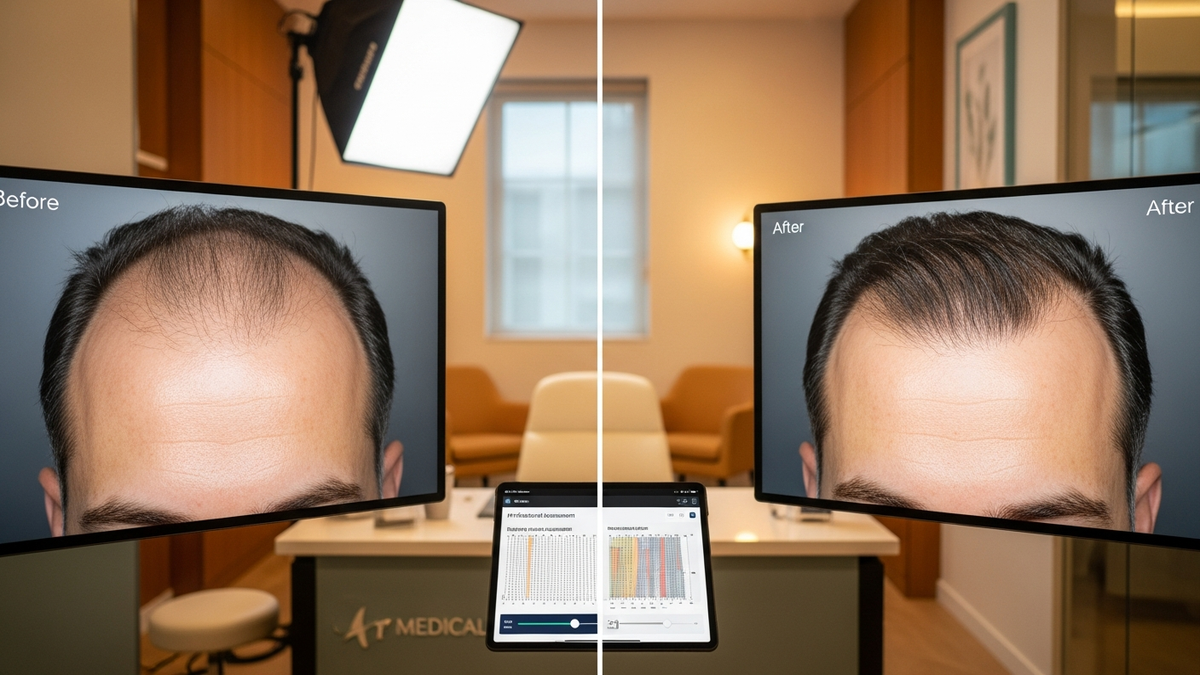

Choosing a hair transplant is a big decision—and the phrase “before hair transplant and after” is usually what drives the search in the first place. But the most helpful results aren’t only the final photos; they’re the story behind those photos: how grafts were selected, how the procedure was performed, what recovery looked like, and what the patient did (and didn’t do) in the months that followed.
In this guide, you’ll learn what to expect at each stage, which factors influence outcomes, and how to protect your investment. We’ll also highlight how a premium clinic approach—like the one offered by TestBiz Hair Clinic—can support natural-looking results using advanced techniques such as FUE and FUT.
Who is this for? People considering hair restoration who want realistic expectations, not hype. What will you learn? Practical timelines, recovery do’s and don’ts, and key questions to ask your surgeon. When? Right now—before you book. Where? This applies to patients worldwide (including those traveling for care). Why? Because hair growth is biology plus technique plus consistency. How? By understanding the transplant process and the healing phases that shape your eventual “after.”
Before hair transplant: what “good candidacy” usually looks like
Before any graft is placed, the best outcomes start with the right candidate selection. In practice, “before hair transplant” often includes more than just hair density—it includes scalp health, pattern stability, and realistic goal-setting.
1) Hair loss pattern and stability
Most patients seeking hair restoration have androgenetic alopecia (male- or female-pattern hair loss). A surgeon typically evaluates whether your pattern is stable enough to plan donor placement and long-term coverage. If loss is still rapidly progressing, the plan may need to account for future thinning so the “after” doesn’t look unbalanced.
2) Donor area quality (the “engine” of your transplant)
In both FUE and FUT, the donor region (often the back and sides of the scalp) supplies grafts. Your surgeon assesses:
- Density and caliber of donor follicles
- Scalp laxity and ability to harvest safely (especially for FUT)
- Scarring risk and how you’ll wear hair post-procedure
This matters because graft survival and the eventual density you see in your “after” are strongly influenced by donor characteristics and surgical handling.
3) Scalp health, inflammation, and hygiene readiness
Pre-existing inflammation (such as seborrheic dermatitis) can affect healing. Many clinics recommend optimizing scalp hygiene and following post-op shampoo instructions precisely. If your scalp is irritated, your surgeon may address it before transplant planning.
4) Realistic expectations: density vs. coverage
A common misunderstanding is that a transplant instantly creates “perfect” density. Instead, hair restoration is usually a staged process. Your “after” is often a blend of improved coverage, gradual thickening, and subtle refinement over time.
If you’re also considering other facial procedures, it can help to think about your overall appearance goals. For example, some patients pursue complementary rejuvenation such as Facelift or Blepharoplasty—but hair restoration planning should remain independent and medically prioritized.
Hair transplant types: FUE vs. FUT and what changes in your timeline
When people search “before hair transplant and after,” they often expect the same recovery pattern for everyone. In reality, the technique can influence early healing details.
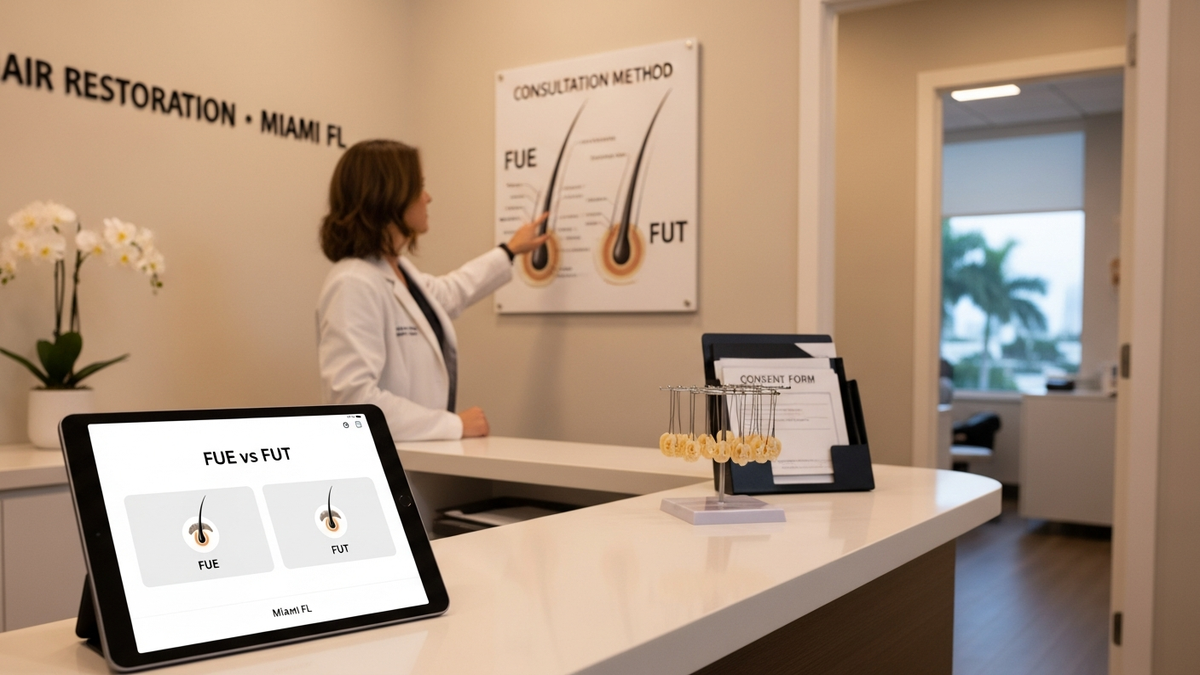
FUE (Follicular Unit Extraction)
FUE harvests follicles individually. Many patients prefer FUE because it typically leaves small, scattered harvest sites rather than a linear incision. Early recovery often focuses on protecting the grafts and minimizing irritation while follicles settle.
FUT (Follicular Unit Transplantation)
FUT harvests a strip of scalp and then dissects it into grafts. It can be an excellent option for certain donor patterns and density goals. Early healing includes managing the linear donor site and following scar-care guidance.
Where to start if you’re comparing options
If you want to explore technique options in a structured way, you can review services related to hair transplant planning and offerings. The key is to match your anatomy and goals to the method that best supports safe harvesting and natural placement.
After hair transplant: the real growth timeline (months 0–12+)
Understanding the timeline is one of the biggest ways to avoid anxiety when your “after” doesn’t look like the photos you imagined. Below is a typical progression—your exact schedule may vary, but the phases are consistent for most patients.
0–2 weeks: healing, scabs, and the “temporary shedding” phase
Right after surgery, the grafts enter a healing phase. You may see redness, mild swelling, and tiny scabs around transplanted areas. It’s common for transplanted hairs to shed in the following weeks. This shedding is often part of the normal cycle reset—hair growth usually isn’t visible immediately.
What to do: follow your clinic’s instructions for washing, avoid picking scabs, and protect the scalp from friction and sun exposure.
What to avoid: smoking or nicotine exposure if advised against, aggressive exercise too soon, and any “DIY” scalp treatments not approved by your surgeon.
3–4 weeks: the scalp looks flatter (and that can feel discouraging)
At this stage, many patients feel like their “after” is going backward. The transplanted hairs may have shed substantially, and the area can look sparse. This is often normal.
Why it matters: grafts are establishing themselves beneath the skin. The outer hair shaft may not be present, but the follicle structure is working toward regrowth.
2–3 months: early sprouts and subtle density changes
Many patients begin to notice small hairs—sometimes called “sprouts.” They may look thin or uneven at first. This is a transition period where the hair shaft thickens and becomes more uniform.
What to do: continue follow-up care and keep a consistent routine for approved topical or oral medications (if your clinician recommends them).
4–6 months: noticeable improvement for many patients
Hair length increases and density often becomes more apparent from the right angles and lighting. Your “after” may start to resemble your goal, but it’s usually not fully mature yet.
6–12 months: maturation and natural blending
This is where results often become more convincing. Hair caliber improves, and the transplanted area blends better with surrounding hair. Many patients see their best overall cosmetic improvement during this window.
12–18 months: final refinement (for some patients)
Some individuals—particularly those with advanced loss or those aiming for higher density—may continue improving beyond 12 months. Patience is a clinical advantage: premature evaluations can lead to unnecessary worry.

Why your “before hair transplant and after” photos can look different
If you’ve compared multiple patients’ results online, you may notice that “after” can vary widely. That doesn’t always mean one outcome is “bad.” It often reflects differences in planning, technique, and measurement.
1) Hairline design and recipient site strategy
Natural-looking hairlines depend on angle, density distribution, and how grafts are placed relative to your facial features. Even small differences in hairline shape can affect perceived density.
2) Graft number vs. graft placement quality
More grafts can help, but only if they’re placed appropriately. A surgeon’s focus on creating realistic spacing and a natural direction of growth often matters as much as total count.
3) Post-op compliance
Healing is not passive. Patients who follow washing protocols, avoid trauma, and keep follow-up appointments tend to protect graft survival and minimize complications.
4) Medications and long-term hair loss management
Hair transplant replaces lost hair in targeted areas, but it doesn’t necessarily stop future loss elsewhere. Many patients use medically guided therapies (for example, hair-loss medications) to support long-term stability. Your clinician can advise what’s appropriate for your case.
5) Lighting, angles, and hair styling
“After” photos can be misleading if they’re not standardized. Lighting, camera distance, hair length, and styling products can dramatically change how dense hair appears.
Recovery essentials: what to do (and what not to do) after surgery
Recovery guidelines vary by clinic, but the principles are consistent. Below are actionable recommendations that support graft survival and comfort.
Immediate post-op priorities (first days)
- Protect grafts from friction: avoid rubbing the scalp and follow pillow or positioning instructions.
- Follow prescribed washing schedules: scab management is delicate—don’t speed up healing by picking.
- Use medications exactly as directed: antibiotics, anti-inflammatories, or pain control should be taken per plan.
Weeks 2–6: rebuilding routine safely
- Gradual return to activity: avoid heavy sweating and contact sports until cleared.
- Sun and heat protection: protect the scalp from intense UV and heat exposure.
- Gentle hair care: use approved shampoos and avoid harsh chemicals.
Months 2–6: supporting regrowth
- Be consistent with approved therapies: if your surgeon recommends medications or topicals, adhere to the schedule.
- Don’t “over-treat” too early: experimental serums or aggressive microneedling can irritate the scalp.
- Track progress: take standardized photos monthly to reduce emotional swings.
When to call your clinic
Contact your surgeon promptly if you experience severe pain, rapidly worsening swelling, fever, or signs of infection. Early intervention helps protect outcomes.
How to protect long-term results after your transplant
The best “after” isn’t only about the grafts you received—it’s also about protecting the surrounding hair and preventing further loss. This is where medical follow-up and evidence-based management matter.
Plan for ongoing hair loss management
Hair transplant is typically a restoration strategy, not a permanent stop to all future thinning. Many patients benefit from ongoing care guided by their clinician—often including medications and scalp health routines.
Consider lifestyle factors that affect healing
Nutrition, sleep, stress management, and avoiding nicotine can influence recovery quality. If you have medical conditions (such as thyroid disease or autoimmune issues), ensure they’re well-managed before and after surgery.
Ask about graft survival and quality controls
Premium clinics often emphasize consistent protocols: careful handling during extraction, meticulous recipient site creation, and clear post-op instructions. At TestBiz Hair Clinic, the focus is on advanced technology and experienced surgical teams for FUE and FUT procedures.
Questions to ask before you book (so your after matches your expectations)
Use these questions to evaluate whether your surgeon’s approach aligns with your goals. This is especially important if you’re comparing clinics based on “before hair transplant and after” galleries.
Planning and technique
- How do you design the hairline to match my facial proportions?
- What approach do you recommend for my donor density—FUE or FUT—and why?
- How many grafts do you anticipate placing, and how is density distributed across zones?
Safety and outcomes
- What is your complication rate for infection, scarring, or poor growth?
- How do you handle patients who shed early or have delayed growth?
- Do you provide standardized follow-up photos for accurate progress tracking?
Long-term maintenance
- Will I need ongoing medical therapy to stabilize loss?
- What is your guidance on scalp care, sun exposure, and styling?
If you’re also exploring other head-and-neck cosmetic procedures, it can help to coordinate care with a clinician who understands anatomy and aesthetics. For example, Dr. Hootan Zandifar focuses on cosmetic and reconstructive surgery of the head and neck and is known for patient education and natural-looking outcomes. While hair restoration and facial rejuvenation are distinct specialties, the shared principle is the same: thoughtful planning and patient-centered communication.
For patients who have facial rejuvenation interests, you may find related resources on Rhinoplasty or other aesthetic procedures helpful for understanding how surgeons plan visible outcomes. (Hair transplant planning should still remain hair-focused and medically tailored.)
Related options: eyebrow transplant and other facial goals
Some patients who consider hair restoration also explore eyebrow restoration. If you have eyebrow thinning or loss, an eyebrow transplant can be a targeted way to restore facial balance. The same “before and after” principle applies: the timeline, healing, and long-term expectations must be understood upfront.
Evidence-based context: what research says about hair restoration outcomes
While individual results vary, evidence helps set realistic expectations about hair biology and transplant goals.
Graft survival and hair cycle biology
Hair follicles cycle through growth (anagen), transition (catagen), and rest (telogen). After transplantation, many grafts experience a temporary shedding phase as they reset to a new growth cycle. This is one reason why hair may look less dense early on—before it improves later.
According to the American Academy of Dermatology (AAD), hair growth cycles influence shedding and regrowth patterns in many hair conditions (American Academy of Dermatology, Hair Loss overview).
How common hair loss is (and why you’re not alone)
Hair loss is widespread. The American Hair Loss Association estimates that tens of millions of people in the United States experience androgenetic alopecia (American Hair Loss Association, About hair loss). When you see “before hair transplant and after” content online, it’s often from a large community of people seeking evidence-based restoration.
Safety and medical follow-up
Hair transplant is a surgical procedure, and outcomes depend on patient selection, technique, and aftercare. For general surgical safety context, the National Health Service emphasizes the importance of discussing risks and recovery expectations with qualified professionals (NHS, Cosmetic surgery guidance).
Practical takeaway: treat timelines as biology, not disappointment. Your “after” typically arrives in stages—most visibly after several months.
City and travel considerations: planning hair transplant care worldwide
Many patients travel for hair restoration, whether for access to specialized teams or advanced technology. If you’re traveling, plan your schedule around recovery: flights, sleep position, and access to post-op washing instructions can affect comfort and healing.
For patients in Los Angeles or those considering care in Beverly Hills, coordinating with experienced surgeons familiar with head-and-neck anatomy can be helpful for overall aesthetic planning. For example, Dr. Hootan Zandifar is based in Beverly Hills and is double board certified and fellowship trained, with a strong emphasis on patient education and natural-looking outcomes.
Even if your hair transplant is performed by a dedicated hair restoration team, consider how your broader facial goals fit together—especially if you’re also considering procedures like Septoplasty for functional breathing improvements related to a Deviated Septum. (These are separate procedures, but recovery planning and timing can matter.)
CTA: Ready to turn your “before” into a confident “after”?
If you’re considering a hair transplant, the best next step is a consultation focused on your specific anatomy and expectations—not just a gallery of results.
- Request a personalized plan for graft strategy (FUE vs. FUT) and hairline design.
- Ask for standardized progress photo protocols so you can track your own timeline.
- Discuss long-term maintenance options to protect results.
- Confirm post-op support and washing instructions before your procedure date.
At TestBiz Hair Clinic, patients worldwide can access premium hair transplant care with state-of-the-art technology and experienced surgeons offering both FUE and FUT options—supported by a patient education-first approach that aligns with the philosophy behind FUEsion Hair Clinics.
Frequently Asked Questions
What should my hair look like before hair transplant and after?
Before surgery, hair density varies by your pattern and donor quality. After surgery, many people experience early shedding and reduced visible thickness in the first few weeks, followed by gradual regrowth starting around months 2–3.
How long does it take to see real results after a transplant?
Most patients notice subtle changes by 2–3 months, more obvious improvement around 4–6 months, and stronger maturation between 6–12 months. Some cases may continue improving up to 18 months.
Why does my transplanted hair shed after surgery?
Shedding is often part of the normal hair cycle reset after graft placement. The follicle remains in place and typically regrows during the following growth cycle.
Can I style my hair normally after the procedure?
Styling depends on your clinic’s instructions and your healing stage. In general, you’ll need to avoid friction and harsh products early on and follow approved shampoo and hair-care guidance.
Do I need ongoing treatment after my hair transplant?
Hair transplant restores targeted areas, but it may not stop future thinning everywhere. Many patients benefit from clinician-guided maintenance to support long-term stability.
How to evaluate a clinic beyond “before hair transplant and after” photos
Photos are useful, but they don’t show the full clinical process. When you’re comparing clinics, look for transparency and consistency.
What to look for
- Clear surgical protocol: how grafts are extracted, handled, and placed
- Standardized photography: same angles, lighting, and timing for follow-ups
- Patient education: explicit recovery instructions and realistic timelines
- Follow-up support: scheduled check-ins and management of concerns
Who should be involved
Your surgeon or surgical team should lead planning and communicate risks, benefits, and expected outcomes. A strong patient education culture—like the one emphasized by Dr. Hootan Zandifar—helps patients feel safe and informed, which is essential for good adherence and satisfaction.
Process checklist (How you can prepare and protect your results)
- Schedule a consultation: bring photos, discuss your goals, and review your hair loss pattern.
- Choose the right technique: confirm whether FUE or FUT best matches your donor characteristics.
- Plan your timeline: align surgery with work, travel, and recovery needs.
- Follow post-op care precisely: washing, medication, and activity restrictions.
- Track progress monthly: standardized photos reduce uncertainty during the shedding phase.
- Attend follow-ups: address concerns early and adjust maintenance plans if needed.
Professional Disclaimer
This content is provided for general educational purposes only by FUEsion Hair Clinics. It is not a substitute for professional advice, diagnosis, or treatment. Readers are advised to consult qualified professionals for personalized recommendations.
Medical Information Disclaimer
This content is provided for general educational purposes only by FUEsion Hair Clinics. It is not a substitute for professional advice, diagnosis, or treatment. Readers are advised to consult qualified professionals for personalized recommendations.